
Cottage Cheese Ice Cream (viral high-protein) Recipe
Cottage Cheese Ice Cream takes the viral high-protein trend and turns it into a creamy, scoopable dessert you can feel genuinely good about eating. Blended cottage cheese becomes surprisingly smooth and cheesecake-like, especially when paired with a touch of honey or maple syrup and fragrant vanilla. Fold in your favorite mix-ins—berries, chocolate chips, or peanut butter—and you get a dessert that’s indulgent, yet packed with protein. It’s perfect for a late-night sweet tooth, a post-workout treat, or a healthier option for kids who love ice cream but need more nutrition in their snacks.
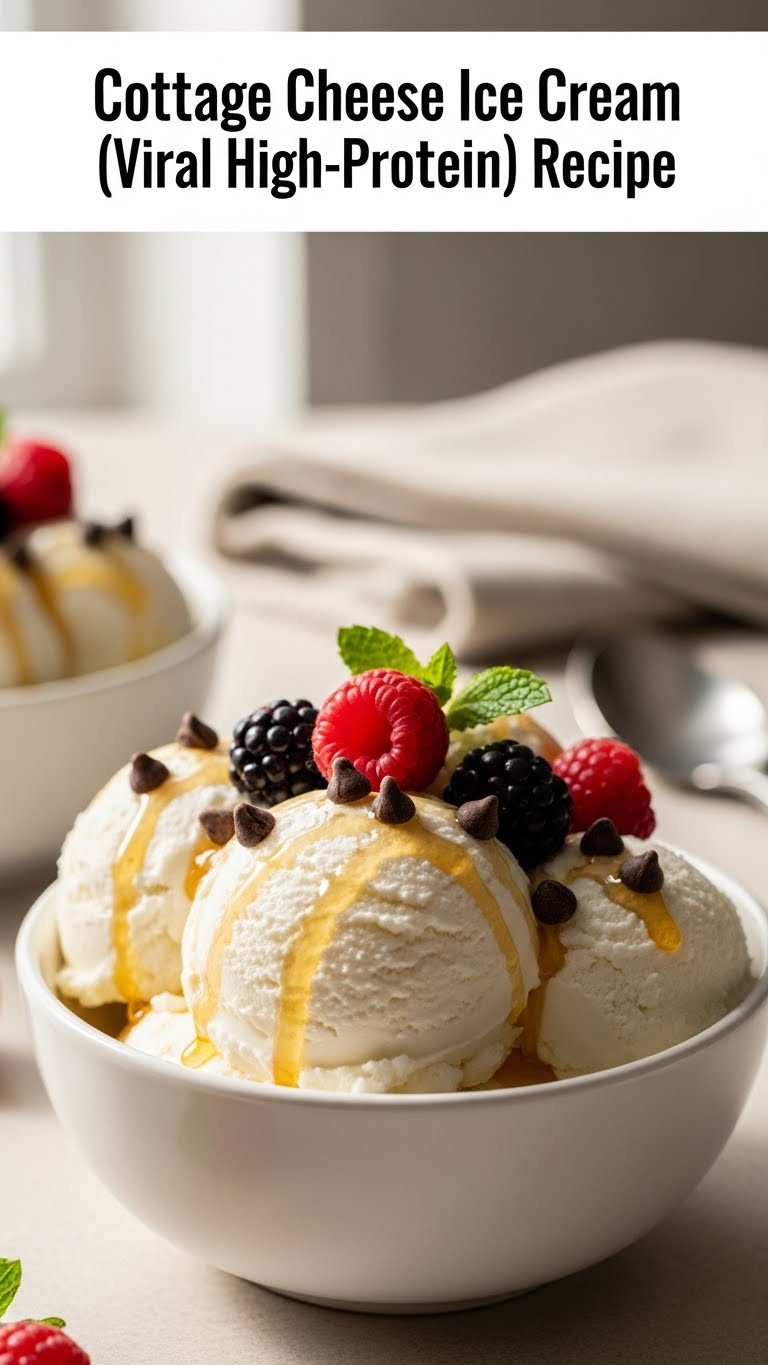
This high-protein cottage cheese ice cream is endlessly customizable, which makes it ideal for meal prep desserts or snack boxes. Keep it simple with vanilla and honey, or go “PB & chocolate chunk” for a richer flavor that still supports your protein goals. It’s a great make-ahead option for busy weeks, and you can freeze it in single-serve containers for portion control. Serve in cones, bowls, or over warm baked oats for a dessert-meets-breakfast moment.
Ingredients
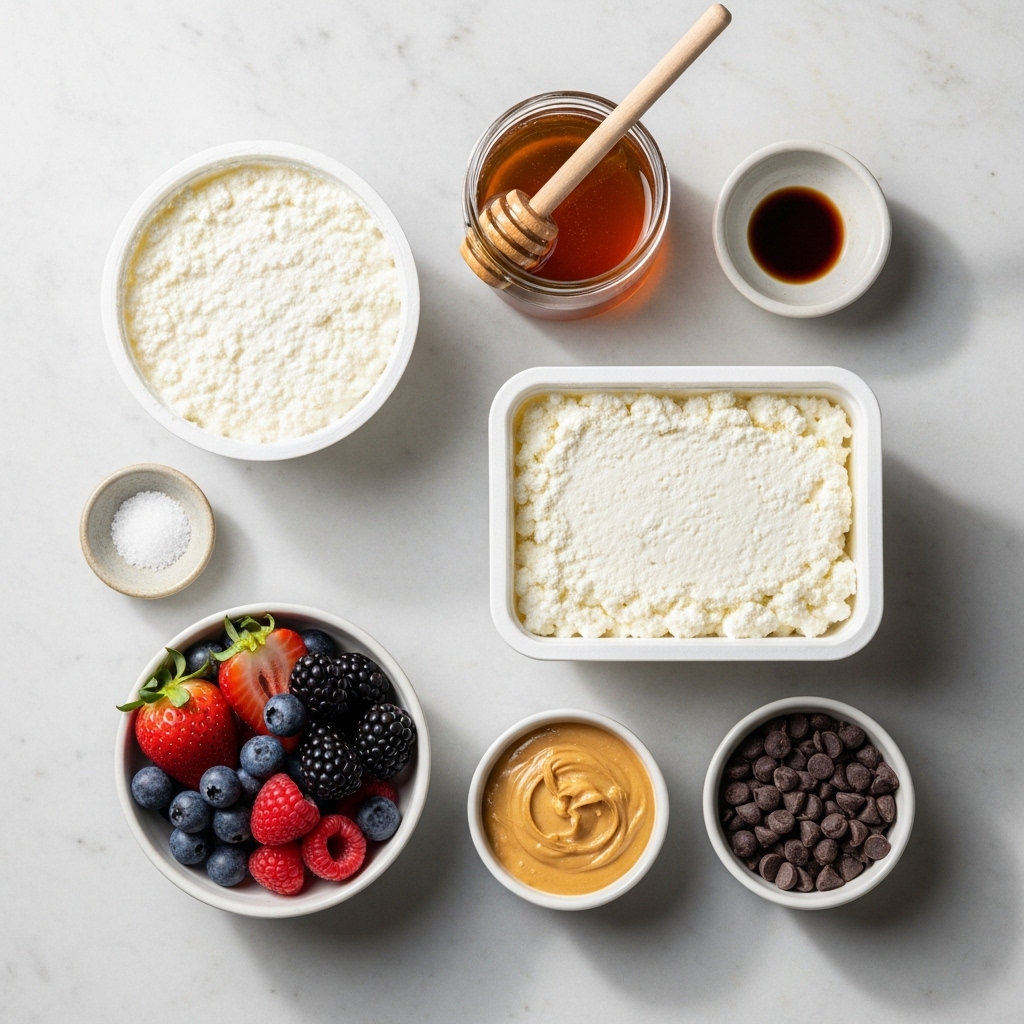
This recipe uses just a handful of simple ingredients, plus optional mix-ins, to create a creamy, high-protein ice cream with minimal effort and maximum flexibility.
- Cottage cheese (2% or low-fat) – 2 cups (about 450 g)
- Honey or maple syrup – 3–4 tablespoons (to taste)
- Vanilla extract – 1 teaspoon
- Pinch of fine salt
- Optional mix-in: frozen or fresh berries – ½ cup
- Optional mix-in: peanut butter or almond butter – 2 tablespoons
- Optional mix-in: dark chocolate chips or chopped dark chocolate – 2–3 tablespoons
- Optional topping: extra berries, granola, or crushed nuts – for serving
Servings
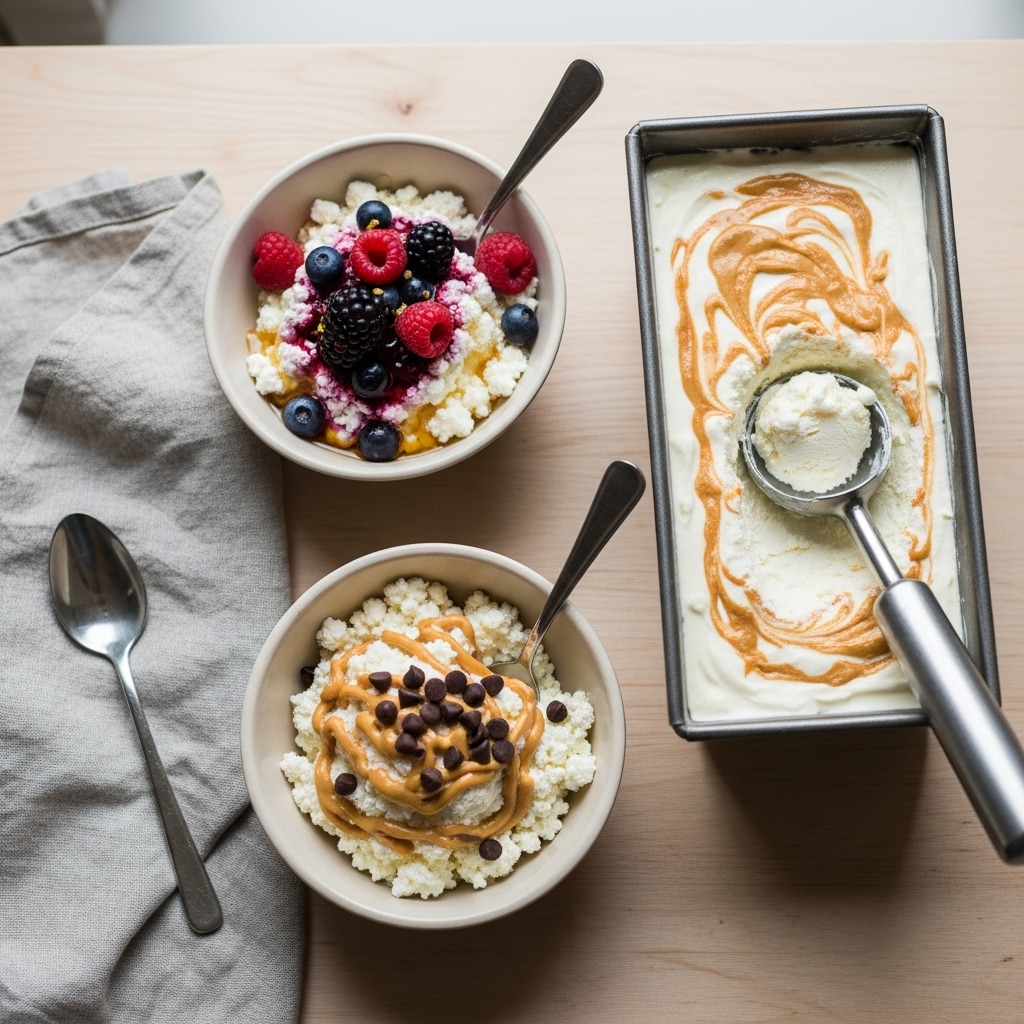
This recipe makes about 4 modest servings of cottage cheese ice cream, perfect for dessert bowls or cones. For larger portions or very hungry, high-protein snackers, plan on it serving 2–3 people and double the recipe for a crowd.
How to Make It
Blend the base
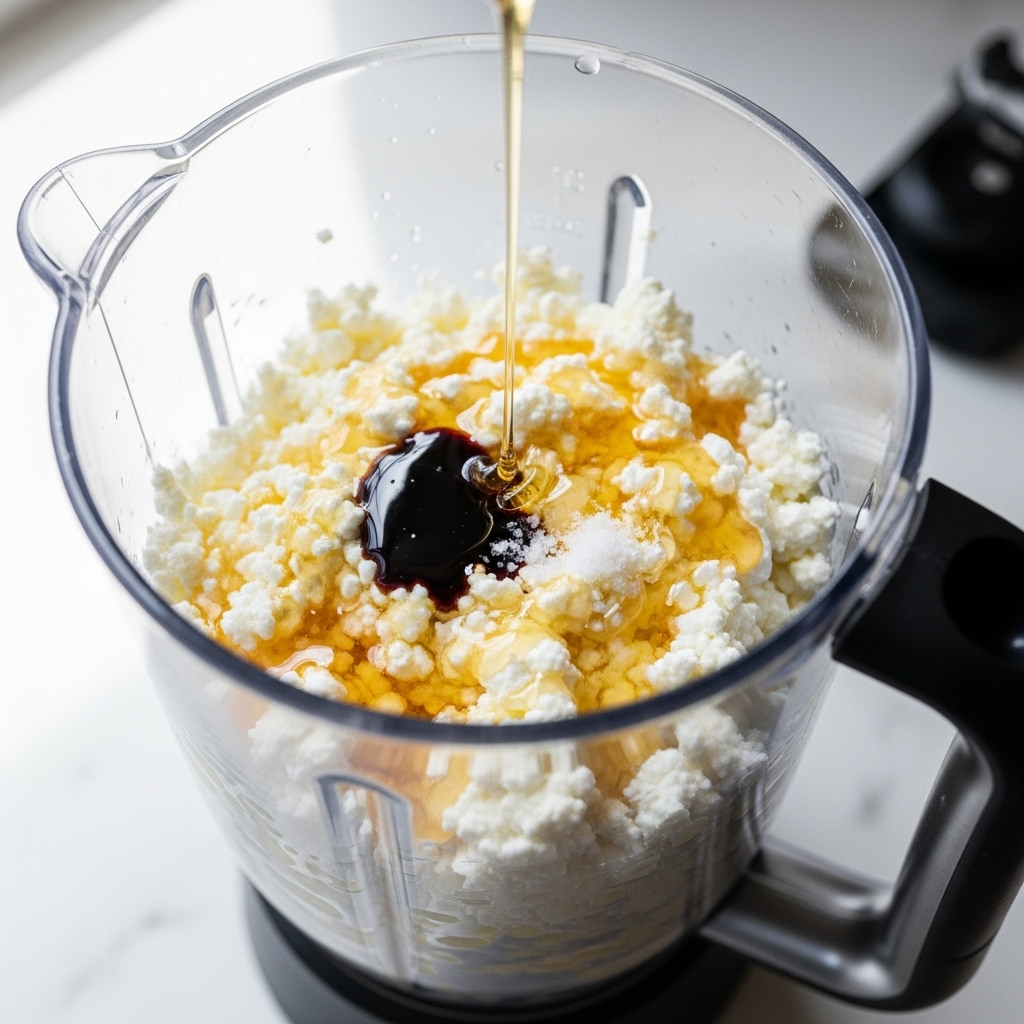
Add the cottage cheese, honey or maple syrup, vanilla extract, and a pinch of salt to a blender or food processor. Blend on high until completely smooth and creamy, scraping down the sides as needed.
Adjust sweetness and flavor
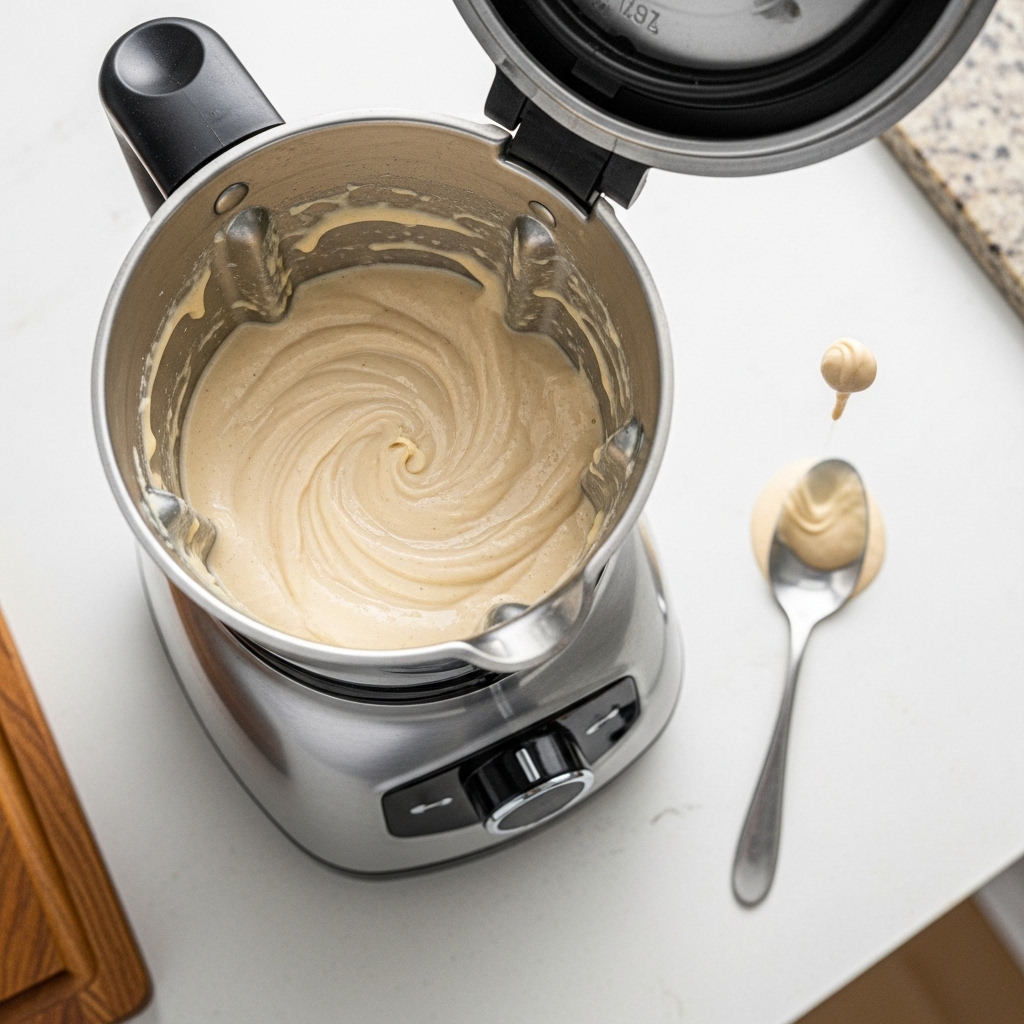
Taste the blended mixture. Add a little more honey or maple if you prefer it sweeter, or another splash of vanilla for extra flavor. Blend again briefly to combine.
Fold in mix-ins
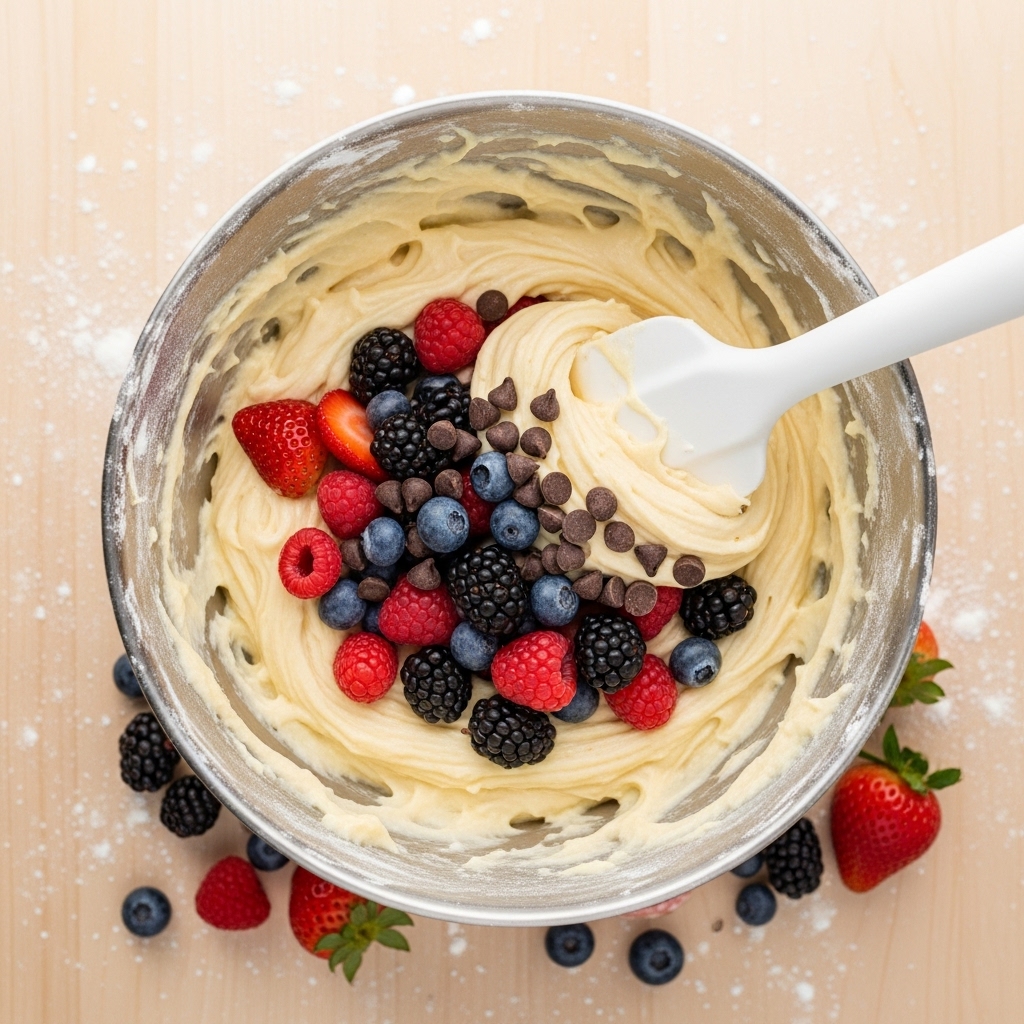
Pour the smooth cottage cheese base into a mixing bowl. Gently fold in your chosen mix-ins—berries, peanut butter swirls, chocolate chips, or a combination—so they’re evenly distributed without over-mixing.
Freeze the mixture
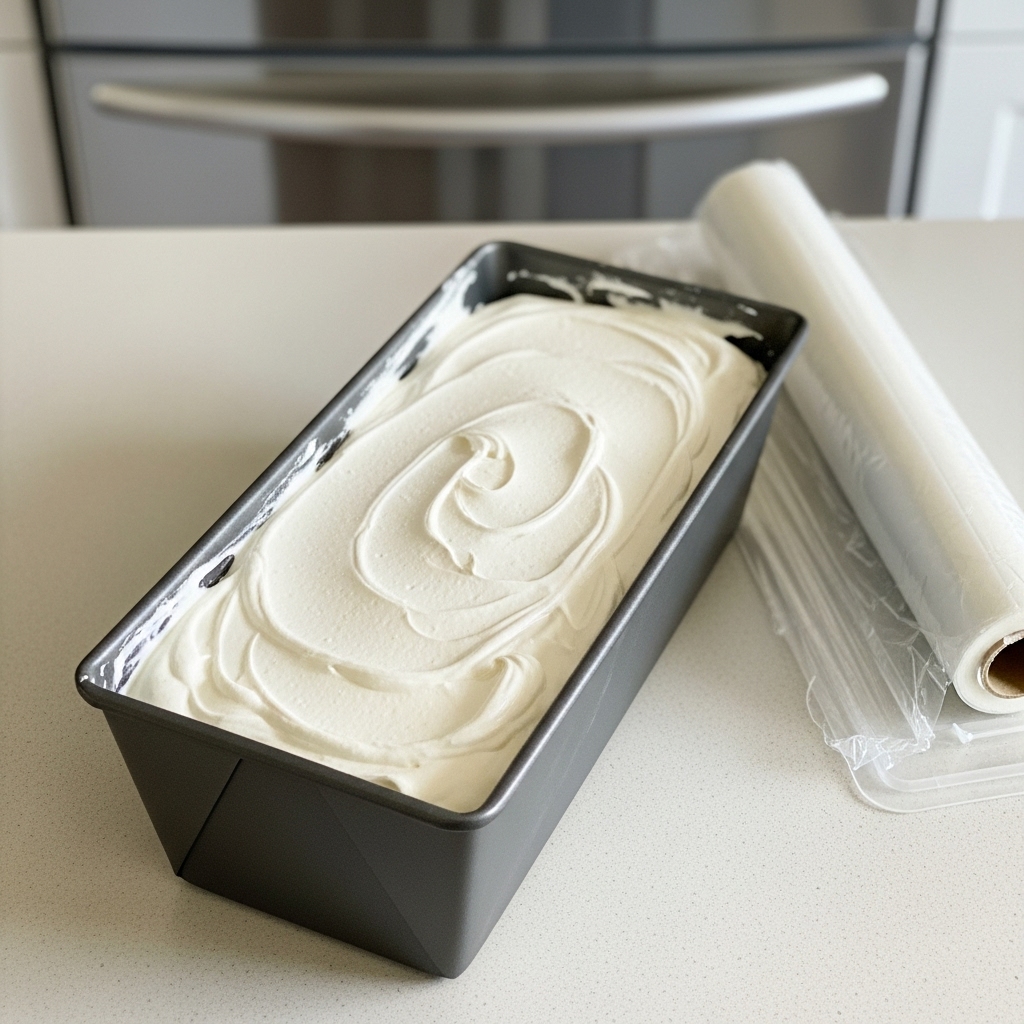
Transfer the mixture into a loaf pan or shallow freezer-safe container. Smooth the top with a spatula, cover tightly (lid or plastic wrap), and freeze for 2–3 hours until firm around the edges but not rock-solid.
Soften and scoop
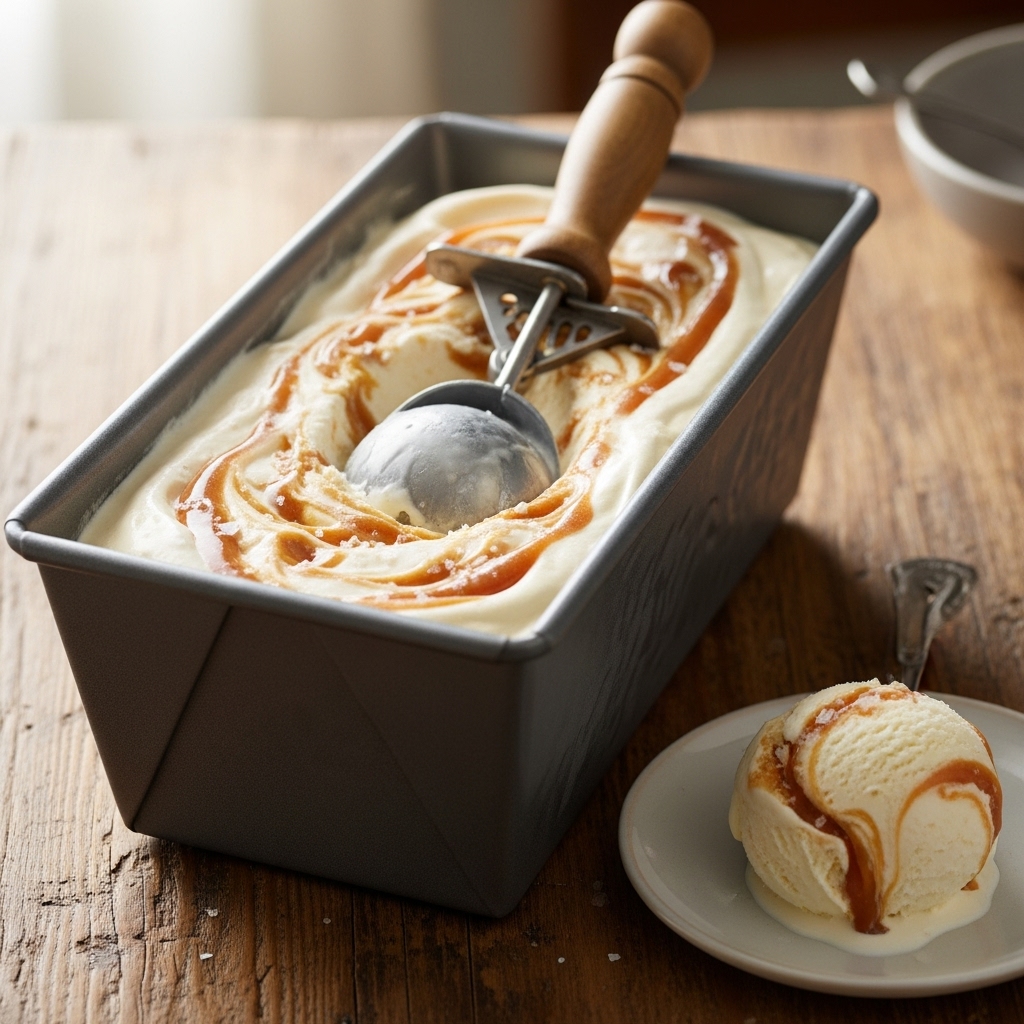
Before serving, let the ice cream sit at room temperature for 10–15 minutes to soften slightly. Use an ice cream scoop dipped in warm water to create smooth, rounded scoops.
Serve and store
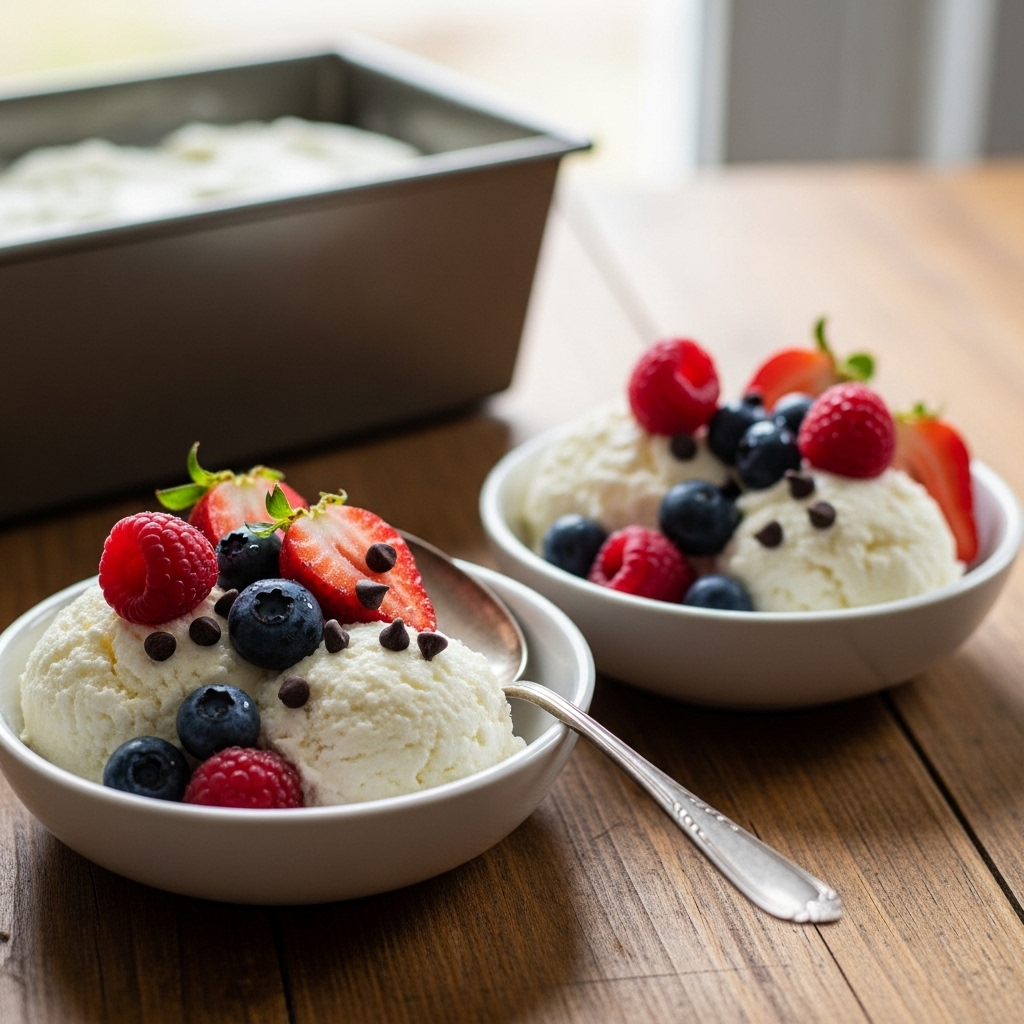
Serve in bowls or cones with extra toppings like berries, granola, or nuts. Return any leftovers to the freezer, covered well, for up to 1 week, letting it soften before each serving.
Pro Tip
For the creamiest texture, use 2% cottage cheese and don’t freeze too long. If it becomes icy, blitz briefly in the blender, then refreeze 30 minutes.
Cottage Cheese Ice Cream (Viral High-Protein)
Notes
Freeze in smaller containers for quicker softening and better texture. Single-serve jars make it easy to grab a portion-controlled, ready-to-eat high-protein dessert.
FAQs
Q1. Can I use fat-free cottage cheese?
A1. Yes, but the texture will be less creamy and slightly icier. Adding a spoonful of nut butter can help improve richness with fat-free cottage cheese.
Q2. How long does cottage cheese ice cream keep in the freezer?
A2. It’s best within 5–7 days. Over time it can become icier, so let it soften and stir well or re-blend briefly before serving.
Q3. Can I make this recipe without a blender?
A3. A food processor works very well. Without either, it’s tough to get smooth; you’ll have a more “ricotta-like” texture instead of true ice cream.
Q4. How can I make it lower in sugar?
A4. Use a sugar-free sweetener like stevia or monk fruit, or reduce the honey/maple and rely more on naturally sweet fruits like ripe bananas or berries.
Q5. Is this recipe suitable for kids?
A5. Yes, it’s a great high-protein alternative to regular ice cream. Just adjust sweetness to taste and avoid whole nuts or large chocolate chunks for very young children.
Q6. Why is my cottage cheese ice cream icy and hard?
A6. It likely froze too long or has very low fat. Let it soften, stir well, and next time use 2% cottage cheese and don’t freeze overnight.


